Arts & Culture
AI Generated
Wikimedia Commons
AI Generated
AI Generated
History of the Trench Coat

Published 12:07 PDT, Mon October 19, 2026
Last Updated: 2:44 PDT, Tue October 20, 2026


–
Living in Vancouver requires a good fall coat not as a matter of style, but as a necessity due to heavy rain conditions. The city’s marine autumn can bring cool temperatures, persistent rain and the constantly changing weather that makes dressing for the day sometimes challenging. It may be mild when you leave home, a downpour by lunchtime, and chilly by the time you’re heading home at the end of the day. This is precisely the environment in which a well-made trench coat earns its place in a man's wardrobe.
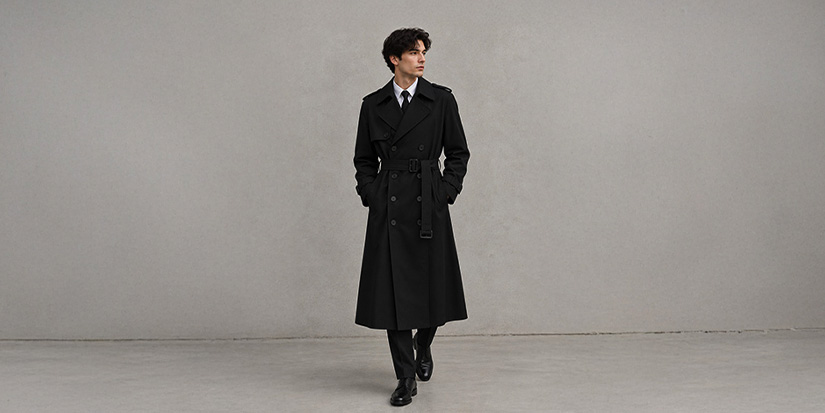
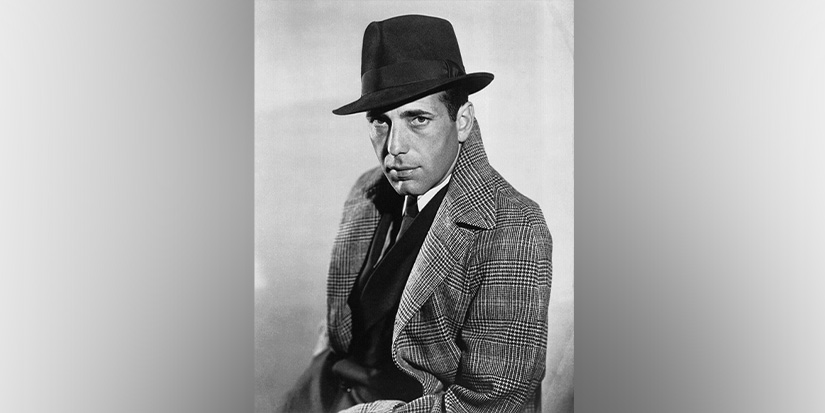
A good trench coat offers an ideal combination of weather protection, versatility, and style, and comes in three lengths. Its longer length provides more protective coverage than a conventional jacket or knee-length, while its structured design makes it easy to layer over everything from a sweater and jeans to a business suit. An important quality is a fabric that is water-repellent, while maintaining that classic silhouette-level of fashion that the rain jacket length lacks. But the appeal of the trench coat goes well beyond its practicality. Few garments have managed to remain so relevant across generations. The trench coat has moved from military origins to the wardrobe of a businessman, to the pages of fashion magazines, and all the way back to Hollywood's golden age as worn by many well-known actors like Humphrey Bogart. It has been worn by soldiers, executives, actors, detectives, and style-conscious men alike.
Choosing the Right Trench Coat
Because a trench coat can last for many years, it is worth paying attention to a few fundamentals.
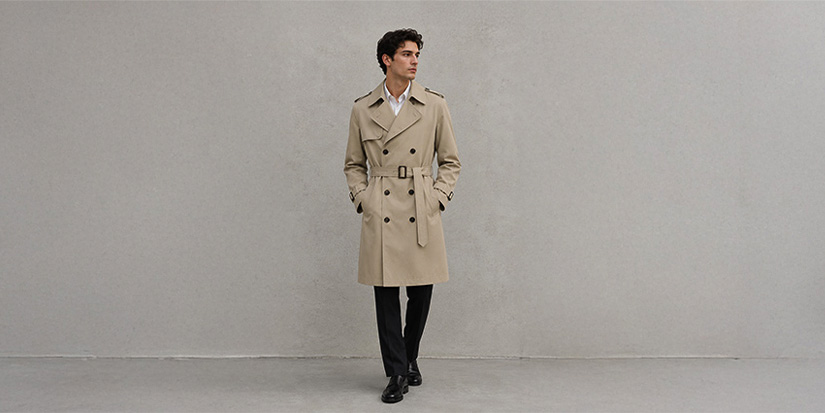
Length is one of the most important considerations. A traditional trench coat generally falls around the knee, creating the classic silhouette. Shorter versions are more casual and versatile, while longer coats have a more dramatic, fashion-forward quality.
Fit should allow enough room for layering without becoming shapeless. Remember that a trench is outerwear: it should be comfortable over a sweater or suit jacket.
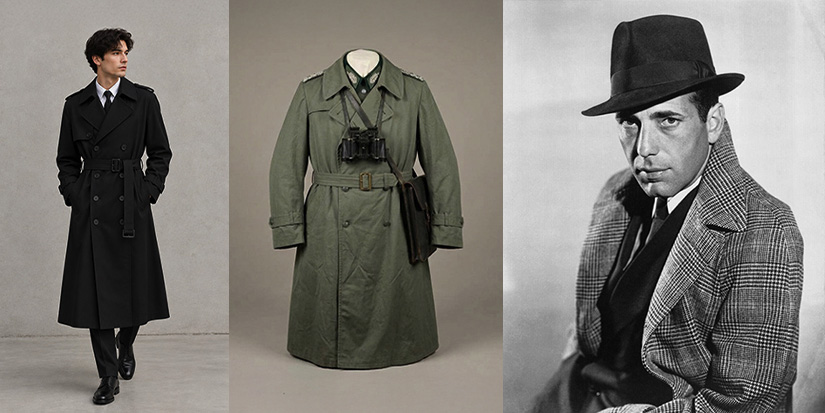
Colour determines much of the coat's personality. Beige and khaki are timeless. Navy and charcoal are sophisticated alternatives, while black creates a sharper, more dramatic appearance.
Fabric matters particularly when the coat is intended for wet autumn weather. Look for materials and finishes that offer meaningful water resistance while remaining comfortable and breathable.
Construction is what separates an ordinary trench coat from a great one. Pay attention to the stitching, hardware, lining, buttons, collar, belt, and overall structure. A well-made trench coat should feel substantially comfortable without becoming cumbersome.
The Practicality of Style
Perhaps the greatest strength of the trench coat is that its aesthetic appeal has never been separated from its original purpose. It was designed to deal with difficult weather, while protecting the wearer’s clothing and comfort. In an era when many garments are designed primarily around appearance, there is something satisfying about wearing a piece whose elegance comes partly from its function. The belt, collar, length, storm flap, and water-resistant fabric are not merely decorative references to history; they contribute to the coat's character and usefulness. It is a practical piece of clothing that happens to look extraordinarily good even with its traditional design because it has the ability to dress up or dress down, which is what has kept the trench coat relevant for so long.
From the Battlefield to the City
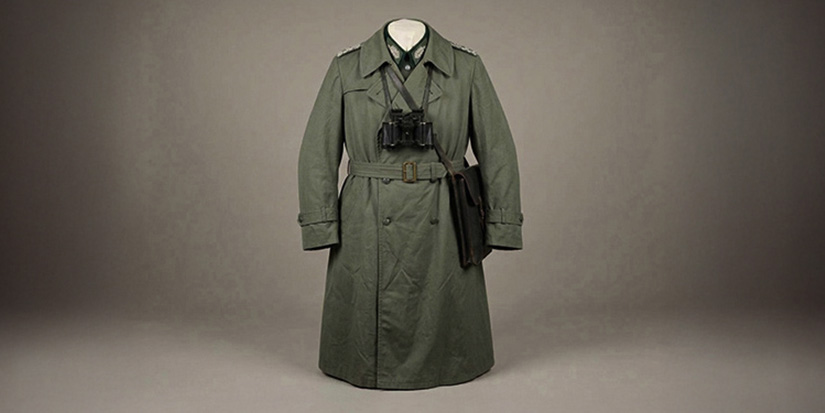
The trench coat's origins are closely associated with military outerwear developed for the First World War. Its design was rooted in practicality, with features intended to protect the wearer from wet and difficult conditions. The details that define the classic trench coat remain familiar: the double-breasted front, belted waist, wide lapels, storm flap, shoulder straps, and generous length. What is remarkable is how successfully those functional elements transitioned into civilian clothing. Over time, the trench coat became a staple of urban wardrobes. Its original purpose may have been protection from the elements, but its silhouette gave it an unmistakable elegance. The coat created a strong, elongated shape and offered a degree of formality without the stiffness of traditional tailoring. That balance remains one of its greatest strengths.
Hollywood and the Birth of a Style Icon
If the military gave the trench coat its function, Hollywood gave it its “personality”. Few films are as closely associated with classic men's style as Casablanca. Humphrey Bogart's portrayal of Rick Blaine helped establish a visual vocabulary that remains recognizable decades later: the trench coat, the fedora, the shadows, the cigarette smoke, and the expression of a man who appears completely comfortable in his surroundings. The trench coat became part of that character. It suggested sophistication without extravagance and toughness without the need for obvious displays of strength.
Film noir pushed the aesthetic further. In Out of the Past, the world is darker and more morally complicated. The trench coat fits naturally into this environment of rain, shadows, mysterious women, private investigations, and characters who are rarely what they first appear to be. This is where the trench coat became more than outerwear. It became a visual symbol. The long coat moving through a rainy street creates an image that immediately communicates atmosphere. It suggests a certain kind of masculinity — independent, self-contained, sophisticated, and slightly mysterious.
That cinematic association remains part of the garment's appeal today.
Timeless Appeal of the Trench Coat
For anyone living with wet autumn weather, the practical case for a good trench coat is easy to make. It provides coverage, handles rain, layers easily, and can move seamlessly between work and leisure.
But practicality only gets you so far. The real reason the trench coat has endured the test of time is that it combines utility with identity. It tells a story. Its military heritage gives it authenticity; its Hollywood history gives it romance; and its modern versatility gives it a place in today's wardrobe.
From wartime trenches to rain-soaked film noir streets, and from classic Hollywood to contemporary cities, the men's trench coat has evolved without losing its essential character. It remains practical. It remains elegant. And, perhaps most importantly, it still looks like the kind of coat a man can wear when he wants to walk through the rain and look completely comfortable doing so.























































.jpg)



.jpg)










































































2 Hours of free financial consulting
Jai Xin Planning Ltd.
C$120.00 C$0.00

Use any of our home staging service and get a second month rental for free!
MiiX Interiors
C$500.00 C$0.00

Get 10% off any order
Phantom Screens Lower Mainland
C$200.00 C$180.00